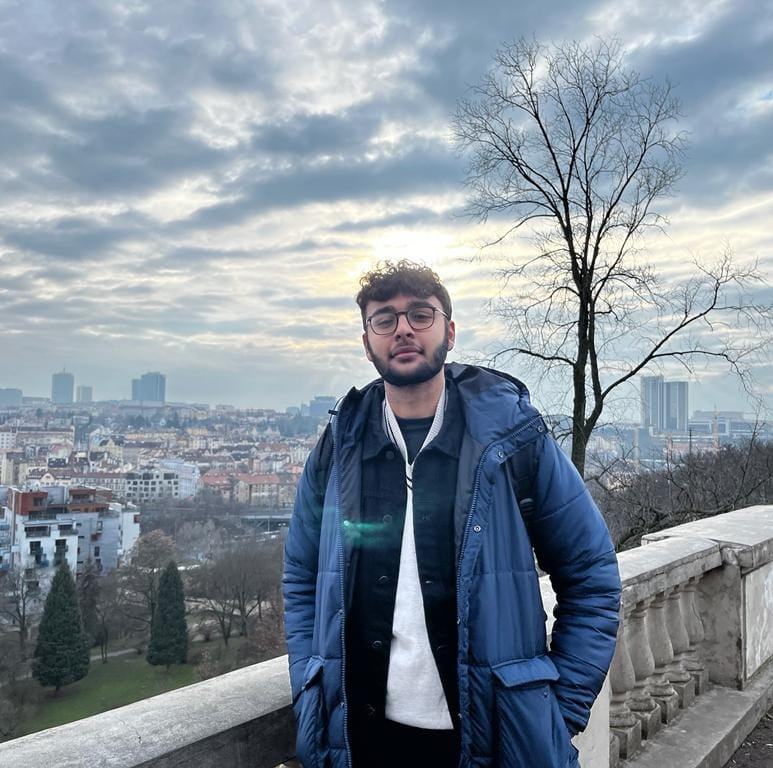
As a 21-year-old university student pursuing digital humanities, I am consistently exploring innovative ways to incorporate technology into my daily routine and academic pursuits. Growing up as the eldest sibling in the digital era, I took the initiative to independently familiarize myself with various online tools and platforms, which fostered my independence and self-exploration online. As a result, I delved into an array of software and programming languages early on. Nevertheless, I had a tendency to swiftly lose interest in them and pursue new challenges. For instance, I vividly recall immersing myself in Flash Animation software in 7th grade, creating fascinating stick animations, launching a YouTube channel, and sharing my work online. However, I eventually abandoned this venture, as was the case with Java programming, where I gained proficiency in animation creation but lost interest and moved on to a new venture. Such has been the pattern of my digital learning journey.
In my daily life, I mainly use social platforms like Instagram and Twitter to follow influencers and brands and to keep up with the latest updates or maybe just waste my time watching Instagram Reels. Along with that, Whatsapp is an essential tool in my daily digital usage as it helps me to connect with my friends and family. However documentaries such as “The Great Hack” made me aware of the dangers of social media and how mind altering it can be. Since then I have realized the risks of relying too much on social media and have tried to keep my social media usage to a minimum and not let it get control of me. Occasional social media detoxes also helps me keep control over it and appreciate the real world outside it. I also keep advising my friends about the limitations of social media.
As a computer science major and a hobbyist programmer, I use various programming languages and frameworks for different tasks and projects. Python is my favourite out of them all and I use it for my personal projects and to participate in competitive programming competitions. In this course I learnt the R programming language which proved very useful to analyze and compare different corpuses of text
The digital humanities course has opened my eyes to the vast array of technology and tools available for research data management and analysis. I have learned about tools such as VoyantTools for data visualization and network analysis and Google Ngrams Viewer for searching through large corpuses of texts which seemingly seem unsearchable. Kepler also fascinated me as it makes it so easy to present geographical data and makes it so much more meaningful and easier to analyse. I am fascinated by the potential of these tools to revolutionize the way we approach and analyze data, and I am eager to learn more about how to apply them in my academic and professional life.
Digital Humanities is a field that I was not really familiar with before and some of the readings we did in the class really helped me to understand how to go about learning in this field. For example, Florian in his article, “Why Digital Humanities” enlists the four ways how to contribute to this field in a productive way. The methods they list are:
- Being interdisciplinary
- Being open
- Being digital
- Being Critical
In conclusion, my digital literacy journey as a university student taking an introductory course in digital humanities has been eye-opening and enriching. I have come to appreciate the potential of technology for research data management, data manipulation, and analysis, and I am eager to continue learning about how to effectively utilize these tools in my academic and professional life. While I have some basic skills in content creation and social interaction, I am aware that there is still much more to learn and I am eager to continue to expand my knowledge and abilities in this area.